Spring-return LVDT DC
Frequently Asked Questions About DC Operated Spring Return LVDTs?
Learn about compact displacement sensors with integrated electronics, spring-return mechanisms, and applications in precision gauging and quality control systems.
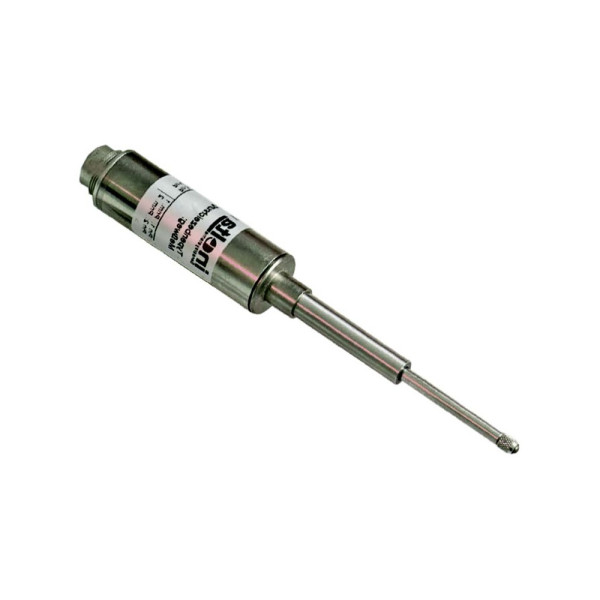
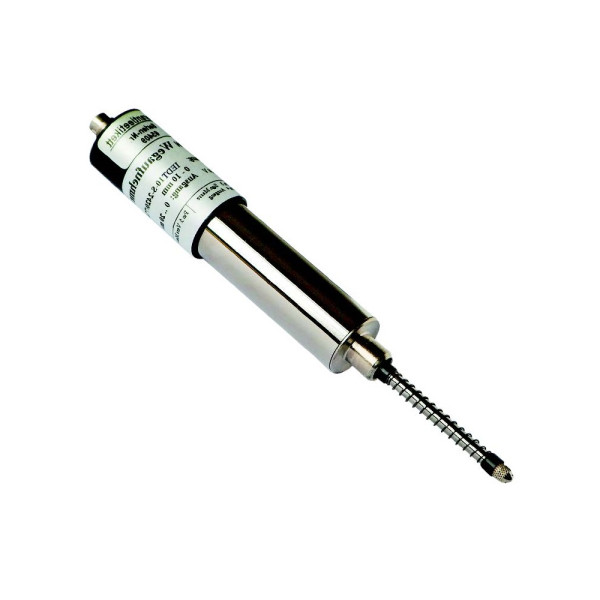
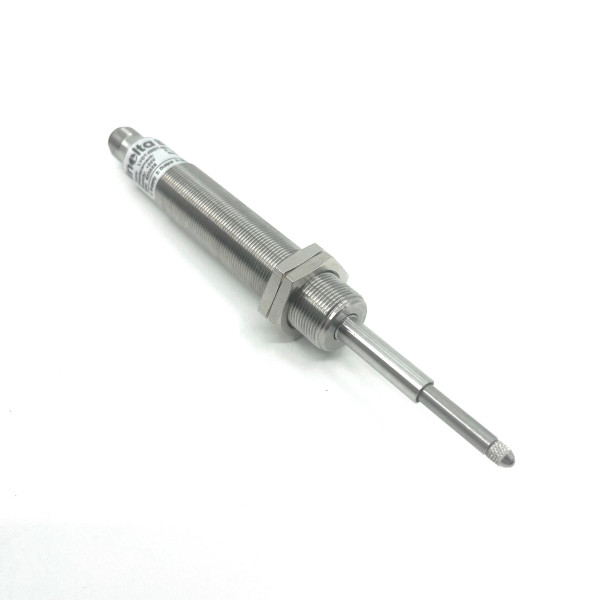
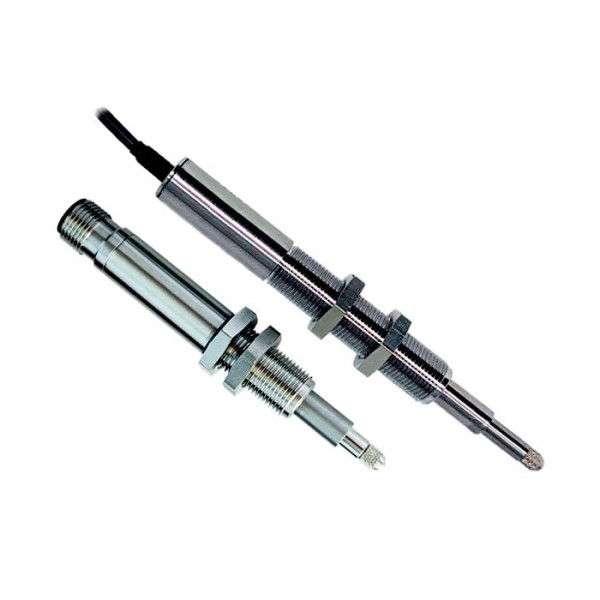
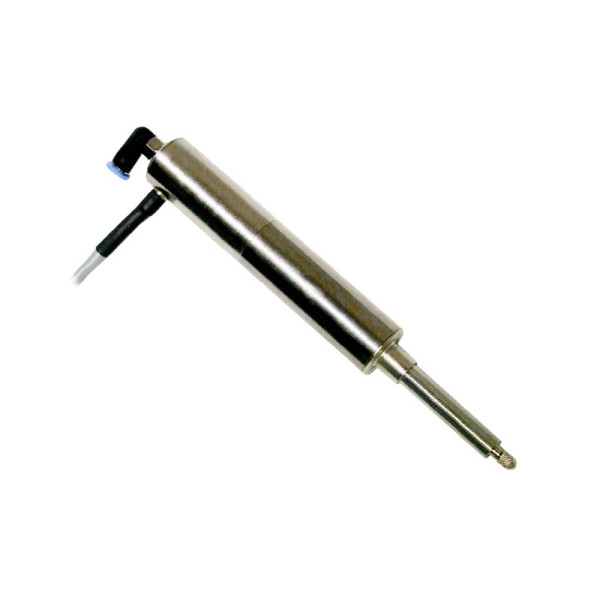
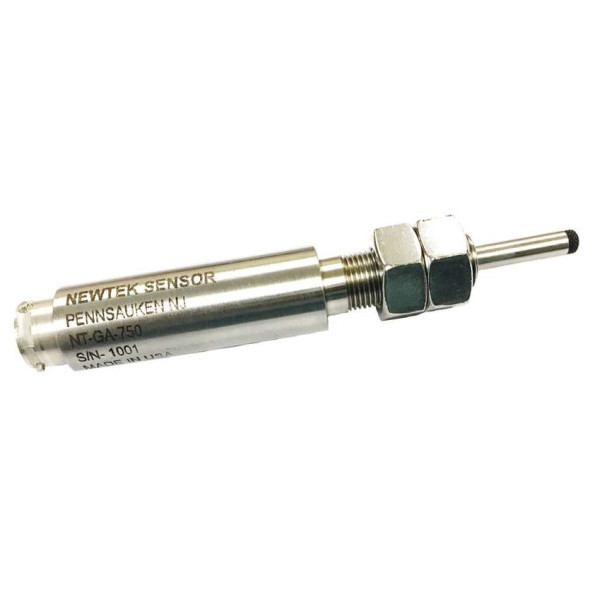
A DC operated spring-return LVDT is a compact linear displacement sensor with an integrated spring mechanism that returns the probe to its default position automatically. It includes internal electronics to provide a DC voltage or current output proportional to linear movement.
This sensor combines an LVDT sensing coil with a spring-loaded core and built-in signal conditioning electronics. When the probe is displaced by contacting a surface, it generates a DC output signal that corresponds to the amount of movement. The spring returns the probe to its original position when released.
Integrated electronics for simplified wiring, Self-returning probe—no need for external actuators, Compact, all-in-one design, Clean analog output (voltage or current), High precision and reliability.
Most DC spring-return LVDTs operate on 5V, ±12V, or ±15V DC, depending on the model specifications.
These sensors typically provide a standard DC output, such as 0–5 V, ±5 V, ±10 V, or 4–20 mA, depending on the model. The output is linear with respect to the probe's displacement.
They are ideal for: Precision gauging applications, Quality control and inspection systems, Process automation, In-line thickness and profile measurement, Lab testing environments.
No. DC operated LVDTs come with built-in signal conditioning, so they're ready to use with standard analog input devices or controllers.
Yes. Many DC spring-return LVDTs are ruggedized for industrial use and can withstand vibration, dust, and temperature extremes.
Available ranges typically vary from ±1 mm to ±25 mm for spring-return models. Specific ranges depend on the product series.
They usually come factory-calibrated. However, fine-tuning may be performed during installation to ensure optimal system integration.